


Jimmy Paputto
L1 GNSS HAT
L1 GNSS HAT
Regular price
$131.00 USD
Regular price
Sale price
$131.00 USD
Taxes included.
Quantity
Couldn't load pickup availability
Full guide for this HAT
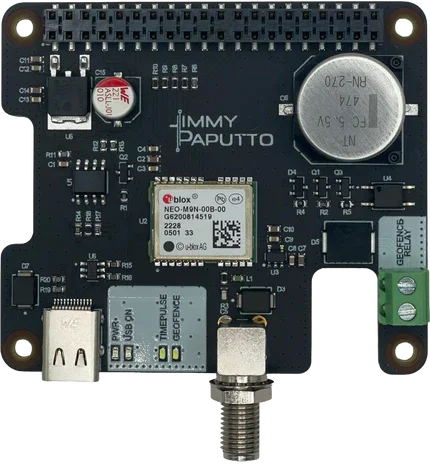
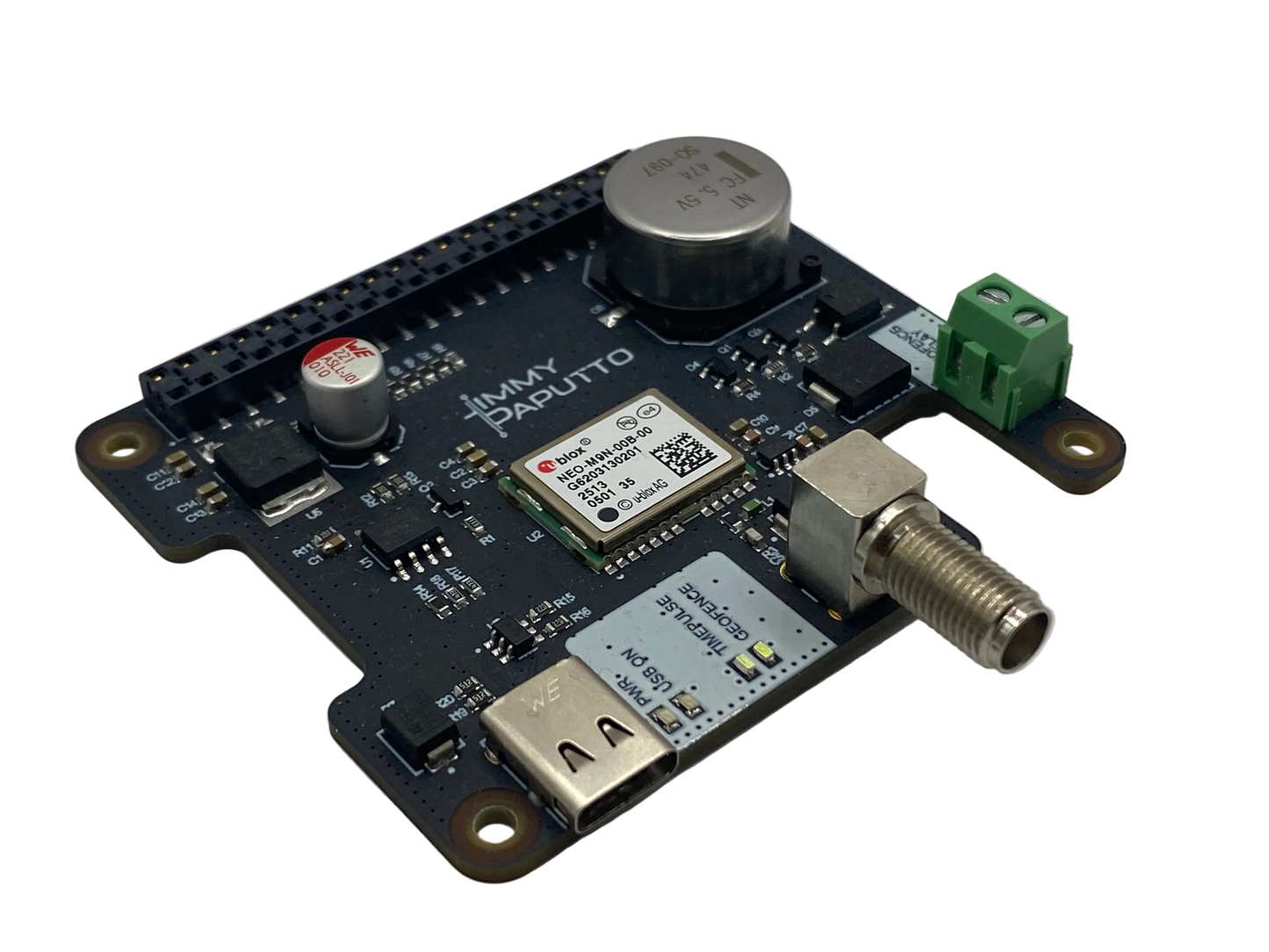
L1 GNSS HAT for Raspberry Pi
A professional-grade GNSS HAT based on the u-blox NEO-M9N chip. This board delivers reliable, standard-precision positioning for robotics, drones, time servers, and outdoor navigation systems.

You will also need an antenna
The L1 GNSS HAT powers an active L1 antenna through its SMA connector. This one fits directly.
 Active L1 antenna
ANT-GNRM-L1A-1
$26.00
View antenna
Specifications
Key Features
- GNSS: Reception of GPS + QZSS, Galileo, GLONASS, BeiDou, jamming and spoofing detection, position accuracy: 2m CEP
- SPI Communication: Fast, low-latency integration with Raspberry Pi for real-time GNSS data, up to 25 Hz position refresh rate.
- Timepulse pin connected to GPIO: can be used as interrupt source for your app or as PPS essential for network time servers, SDR, or sensor fusion.
- Geofencing: up to 4 circular zones
- Geofence Relay Output: Trigger devices or alerts based on configurable geo-location zones.
- Hot Start: Onboard supercapacitor allows hot-start procedure (2 seconds to acquire fix) up to 4h after power loss
- USB-C: Direct access to u-blox
- External Antenna: SMA connector, 3,3 V
- Open-Source Software: GitHub repo with user-friendly library with many examples, link: https://github.com/jimmypaputto/gnsshat
- Full guide: installation, first fix, configuration, API reference for C++, C and Python, and examples for every feature at docs.jimmypaputto.com/gnss-hat
Applications
- Robotics & autonomous navigation
- Time servers
- Sensor fusion with PPS
- Geofencing security systems
- Environmental & location-based data logging
- DIY drones & RC vehicles
- Outdoor tracking and telemetry
ROS 2
- Own topic with everything: /gnss/navigation carries position, accuracy, DOP, satellites, RF status and geofence state.
- Standard topics: /gps/fix (sensor_msgs/NavSatFix) and /gps/vel, so nav2 and robot_localization work without glue code.
- Geofencing in ROS: fence state comes with every navigation message, and /gnss/geofencing_cfg returns the active zones.
- Runtime reconfiguration: change rate or dynamic model through /gnss/set_config without restarting the node.
Package Includes
- 1x GNSS HAT for Raspberry Pi (NEO-M9N based)
- Mounting distances and screws
- GPIO header for RPi